Easy Chunky Crochet Blanket for Beginners (Fast Project)
A chunky blanket works up quickly with thick yarn and a big hook. Watch the tutorial, then use my tips for straight edges and a soft finish.
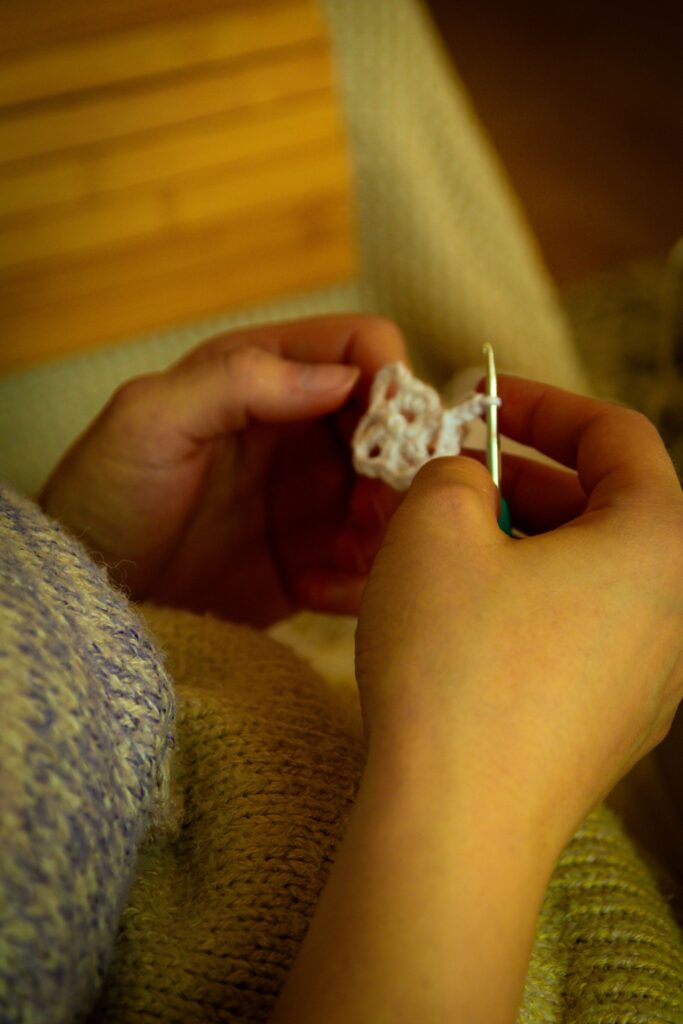
There is a moment, about halfway through a big blanket, when it stops being a pile of yarn and starts being a real, heavy, cozy thing across your lap. Chunky yarn gets you to that moment much faster, which is why I recommend it to anyone who wants a blanket without a six-month commitment.
Jump to section
A fast, easy chunky blanket uses thick yarn, a big hook, and one simple stitch repeated across rows. It is forgiving, relaxing, and surprisingly quick. You can make a lap blanket over a couple of weekends, and a throw a bit longer.
The tutorial below is by Bella Coco Crochet, who shows how to crochet a fast and easy blanket from start to finish. Watch it to see the stitches, then read my notes on yarn, sizing, avoiding wavy edges, and finishing so your blanket looks polished.

Yarn and hook for a chunky blanket
Yarn choice matters more here than almost anywhere else, because you will need a lot of it and it will sit against your skin.
- Chunky or super bulky yarn. Thick yarn works up fast and gives that squishy, cozy look. Check the label for the suggested hook size.
- A large hook. Big hooks keep the fabric soft and drapey. Some people use jumbo hooks, but any size that matches the label works.
- Machine washable yarn if the blanket will get daily use. Acrylic and some blends are practical. Soft wool is lovely but needs more care.
- Enough skeins from the same dye lot. Color can differ between lots, so buy all at once if you can.
- A large yarn needle for weaving in ends.
I do not give exact yardage, since it depends on the size you want and the yarn you choose. The label and a quick swatch will give you a better estimate than any guess from me. Buying one extra skein is cheap insurance.
How to crochet the blanket, step by step
Follow the video for the exact stitch. Here is the overall method in my own words.
- Decide on your width, then make a foundation chain that long. A swatch tells you how many chains equal a foot.
- Work the first row into the chain with your chosen stitch, such as double crochet or half double crochet. Keep the chain loose so the bottom edge does not pull in.
- At the end of each row, add a turning chain and turn your work.
- Work across the row again, one stitch in each stitch below, including the last stitch at the end of the row.
- Count your stitches every few rows to keep the sides straight.
- Keep going until the blanket reaches your length, then fasten off and weave in the ends.
Chunky yarn hides small mistakes better than thin yarn, but the edges still show drift, so a quick count is worth doing. If you enjoy working in pieces, the granny square is another good way to build a blanket one motif at a time.
Tips for a blanket you will enjoy making
- Work in a good chair with support. The blanket gets heavy as it grows. Let it rest on your lap instead of dangling from your hook.
- Change skeins at the end of a row when you can. It keeps joins out of the body of the fabric.
- Stay loose. Tight tension makes a stiff blanket, especially with thick yarn.
- Count the foundation chain twice. It is painful to realize at row twenty that the width is off.
- Take breaks. Chunky blankets are heavy on wrists and shoulders, so stretch often.
Common mistakes and how to fix them
The edges are wavy. This usually means you have added or lost stitches. Count, and compare to the first row. Pull out back to the last correct row and redo.
The blanket curls or looks tight. Switch to a larger hook or loosen your tension. A light steam or wet block also relaxes the fabric.
The bottom edge pulls in. The foundation chain is tighter than the rest. Next time, use a bigger hook only for the foundation chain.
A skein ran out too soon. Check the dye lot when buying extra. If the color differs slightly, alternate rows of the old and new skein near the end so the change blends in.
Too many ends to weave. Plan joins at the edges and weave them in as you go, instead of saving dozens for the end.
Variations and ideas
- Stripes in two or three coordinating colors. Change at the end of a row.
- A border in single crochet around the whole blanket for a clean, finished look.
- A smaller size as a baby blanket or stroller throw, which pairs nicely with a crochet baby outfit.
- Add a simple texture using the ideas in the textured crochet patterns guide.
- Keep a couple of extra balls so you can make a matching pillow, as in these crochet pillow ideas.
Finishing and care
Weave in all ends securely, since a blanket gets tugged, dragged, and cuddled. Work a simple edging if you like, then block gently by smoothing it flat and letting it relax, or follow the yarn label for steaming rules.
Most acrylic blankets can go in the washing machine on a gentle cycle, but always check the label first. Dry flat or on low heat if the label allows. Wool blankets need cooler water and less agitation. Give a new blanket a good shake after washing to fluff the yarn back up.
Frequently asked questions
How long does a chunky crochet blanket take?
It depends on your speed and the size. Because chunky yarn and big hooks work up quickly, many beginners finish a lap blanket in a few weekends of relaxed crocheting.
What is the best stitch for a fast blanket?
Half double crochet and double crochet are popular because they grow quickly and drape well. Single crochet is denser and slower but very sturdy.
How do I stop my blanket from getting wider or narrower?
Count your stitches at the end of each row and mark the first and last stitch. Always work into the final stitch of the row, and pull out if the count is off.