25 Textured Crochet Patterns That Add Style and Comfort to Every Home (2026 Guide)

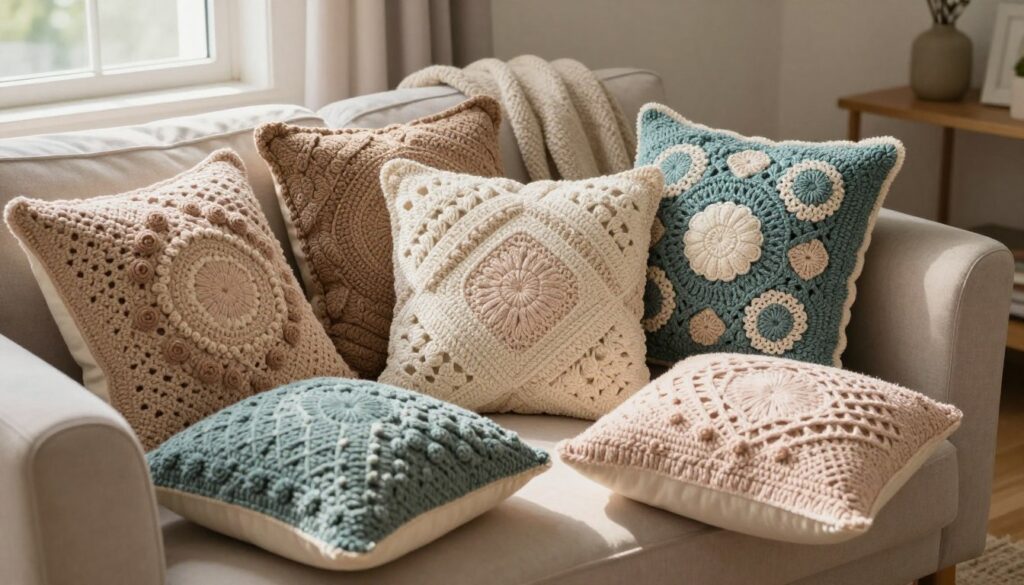
Texture is what makes crochet feel handmade. A plain fabric is nice, but a bobble, a post stitch, or a woven-look pattern gives a blanket or pillow real depth. I reach for textured stitches whenever I want a project to feel cozy and a little special.
Jump to section
Here are 25 textured stitches to try, each with what it looks like and where I would use it. They are grouped by how they build the fabric, from easy, flat textures to bold, raised ones.
Before you start
- Swatch every stitch first, at least 6 by 6 inches, and wash it the way you will wash the project.
- Use smooth, light-colored yarn so the texture shows; dark or fuzzy yarn hides it.
- Textured stitches eat yarn, so buy about 20 percent more than a flat pattern needs.
- Try a hook one size larger if the fabric feels stiff.
Raised knots and clusters
1. Bobble stitch
A cluster of half-finished double crochets closed together makes a round bump. Good for blankets and pillows. Work bobbles on the right side so they pop forward.
2. Puff stitch
Several yarn overs pulled through one loop make a soft, fluffy pouf. Great for baby items and hats. Keep your loops even for a neat puff.
3. Popcorn stitch
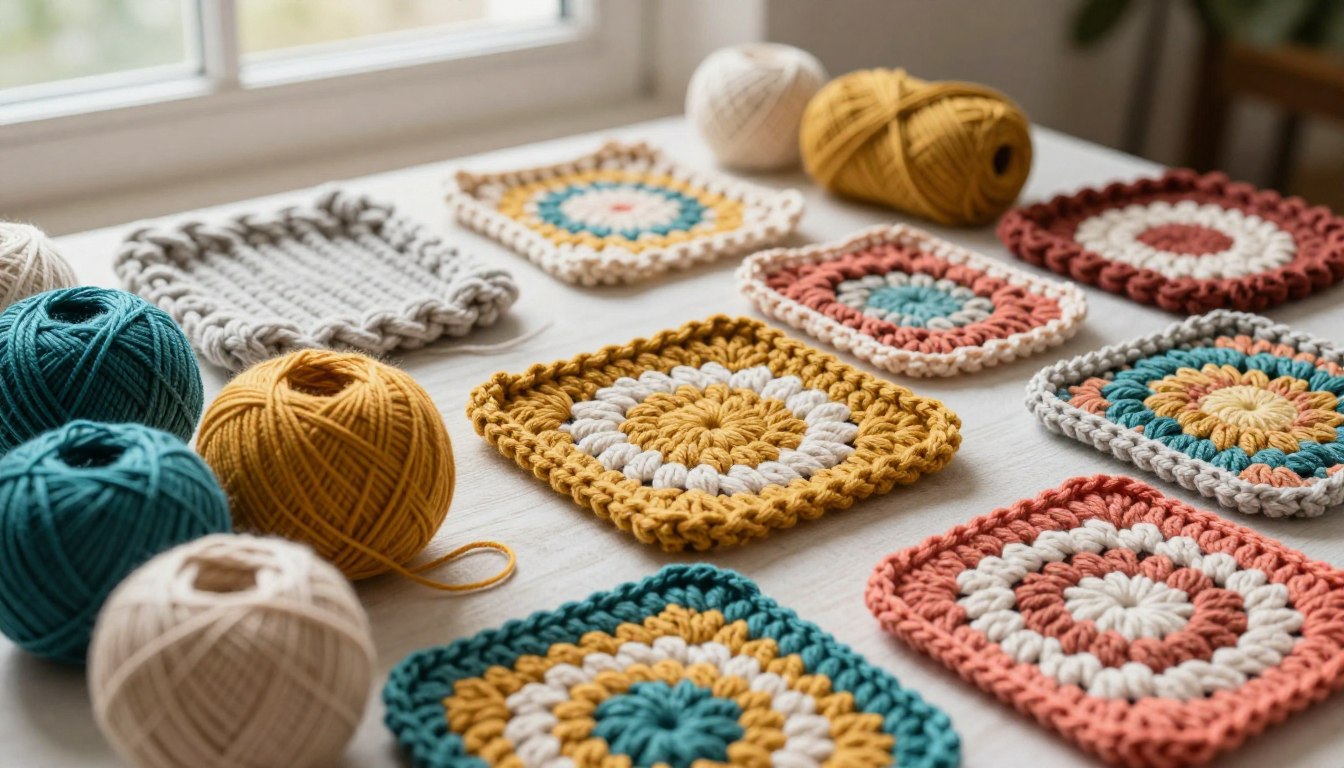
A group of double crochets folded down and closed at the top makes a firm, round knob. Nice for scatter cushions and bags. Sit it on a background of single crochet.
4. Berry stitch
A small cluster that looks like a berry, often worked in green. Good for scarves and cowls. Keep the wrong side in single crochet.
5. Cluster stitch
Stitches worked into the same space and joined at the top create a small fan or triangle. Nice for delicate shawls. Skip the stitches you cluster over so the count stays right.
| Feature | Flat Crochet | Textured Crochet |
|---|---|---|
| Visual Depth | Minimal | High |
| Light Interaction | Uniform | Dynamic Shadows |
| Design Impact | Subtle | Statement Piece |
6. Bead stitch
Chain a bead over a stitch to create a tiny raised dot. Works for dishcloths and trims. Count carefully, since the beads sit on the right side only.
Woven and grid textures
7. Waffle stitch
Post stitches and chain spaces create small squares like a waffle. Perfect for dishcloths and thermal-feeling blankets. It looks best in a plain cotton.
8. Basketweave stitch
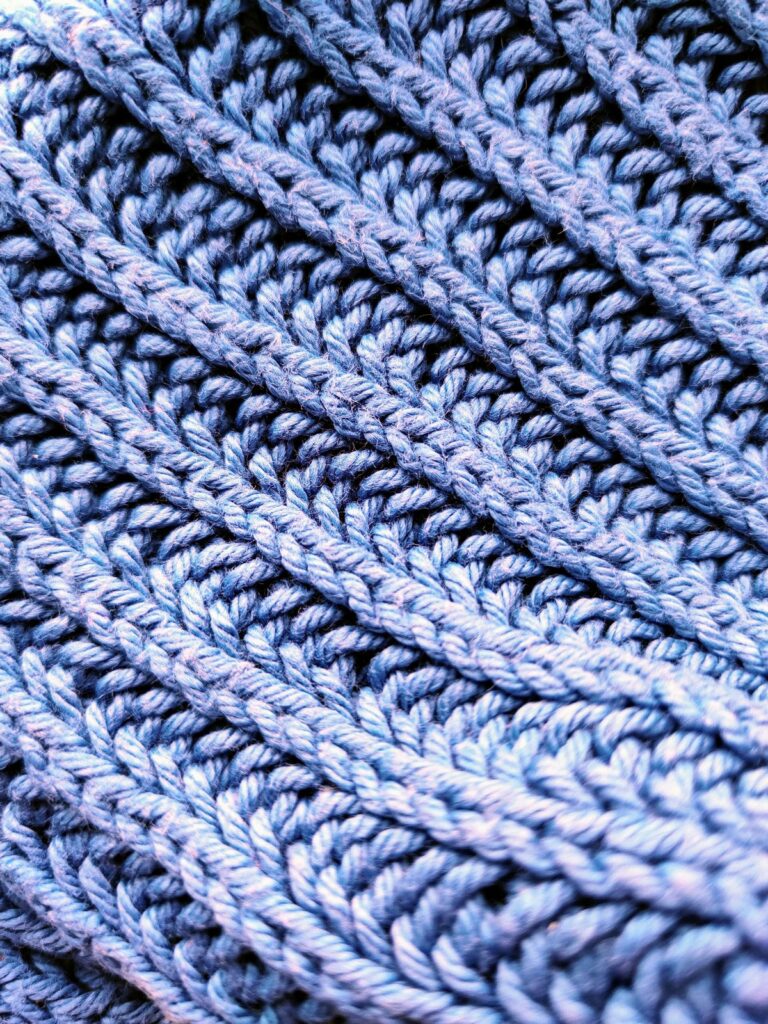
Blocks of front and back post double crochet alternate to look woven. Ideal for pillows and throws. Make blocks of four to six stitches for a bold look.

9. Linen stitch
Single crochet and chain spaces alternated create a tight, woven fabric. Good for bags, straps, and coasters. It uses more yarn but wears well.
10. Moss stitch
Similar to linen stitch, with a slightly softer fabric. Great for baby blankets. Easy to memorize and relaxing to work.
11. Granite stitch
A close, pebbly texture from single crochet and chain spaces. Good for headbands and scarves. It has little stretch, so size carefully.
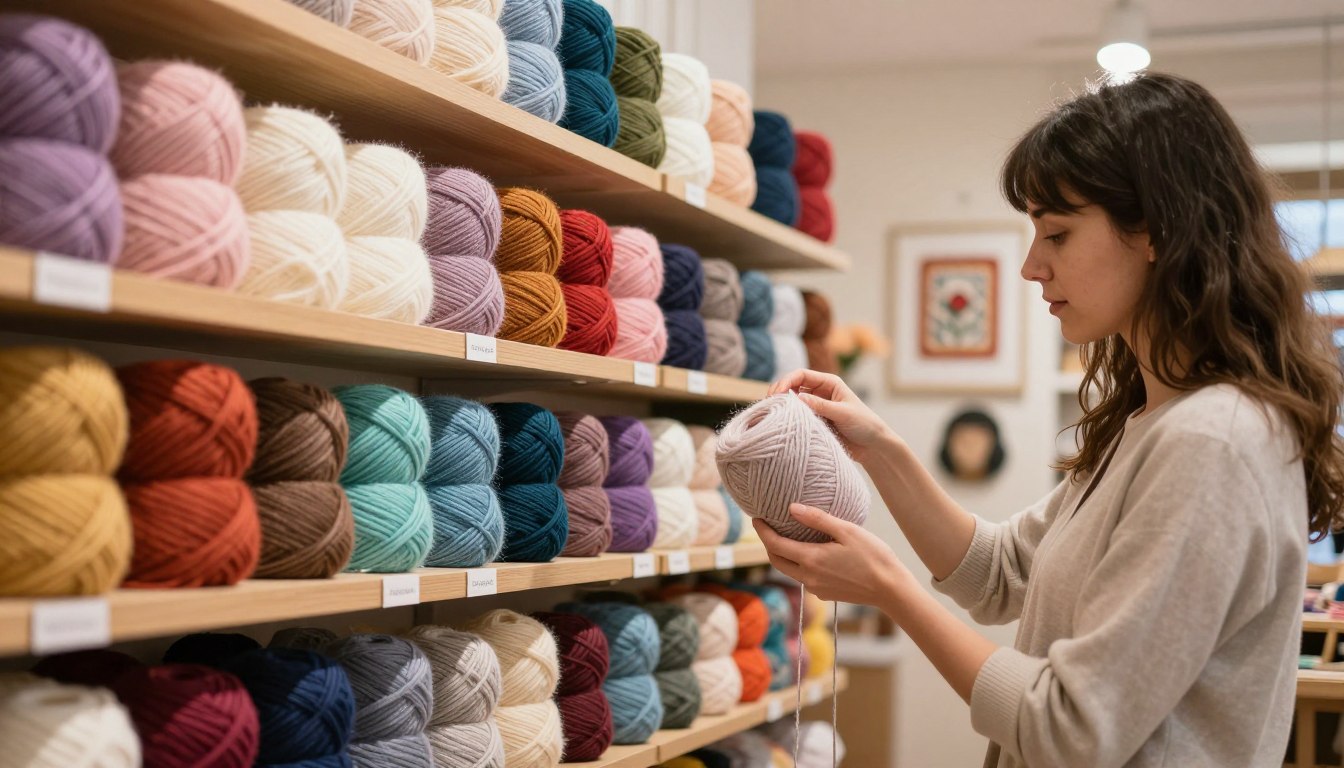
12. Suzette stitch
A dense, gently dotted fabric with a pretty knit-like feel. Nice for cushions and blankets. Use a hook one size up.
Ribbed and post-stitch textures
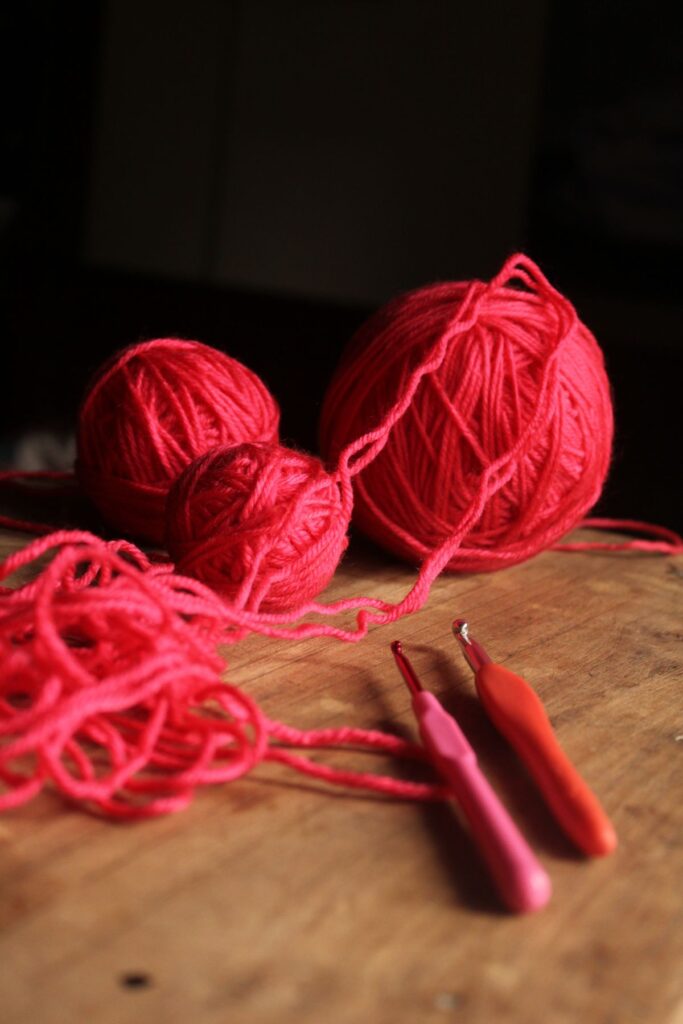
13. Front post ribbing
Working around the post of the stitch below pushes it forward. Alternate with back post for stretchy ribs. Good for hat brims and cuffs.
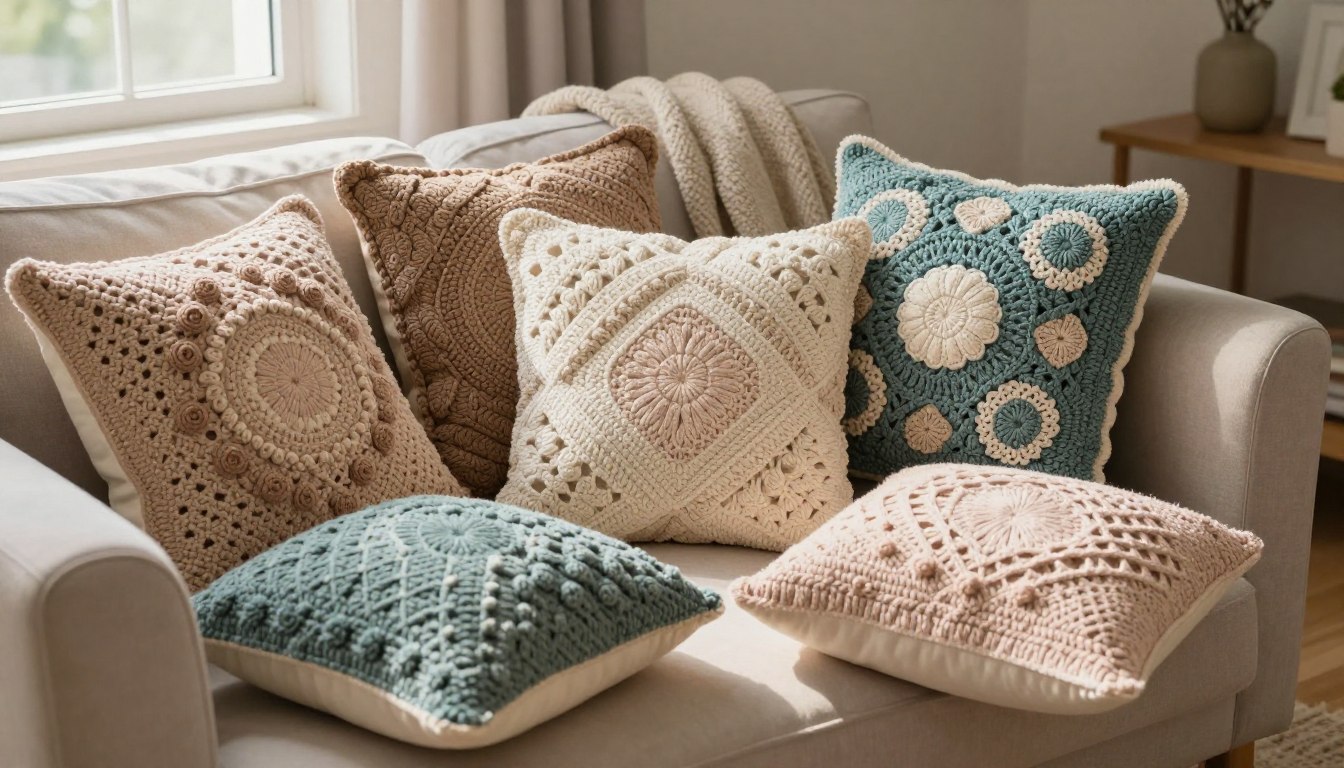
14. Back post ribbing
The mirror of front post, pushing stitches away from you. Useful for cozy scarves and sweater cuffs. Keep your tension steady.
15. Half double crochet ribbing
Working into the back loop only makes columns that resemble knit rib. Great for hat bands and sweater edges. Simple enough for a first ribbing.
16. Alpine stitch
Rows of alternating front post stitches create a stacked, tweed-like effect. Perfect for chunky blankets. Slow but very rewarding.
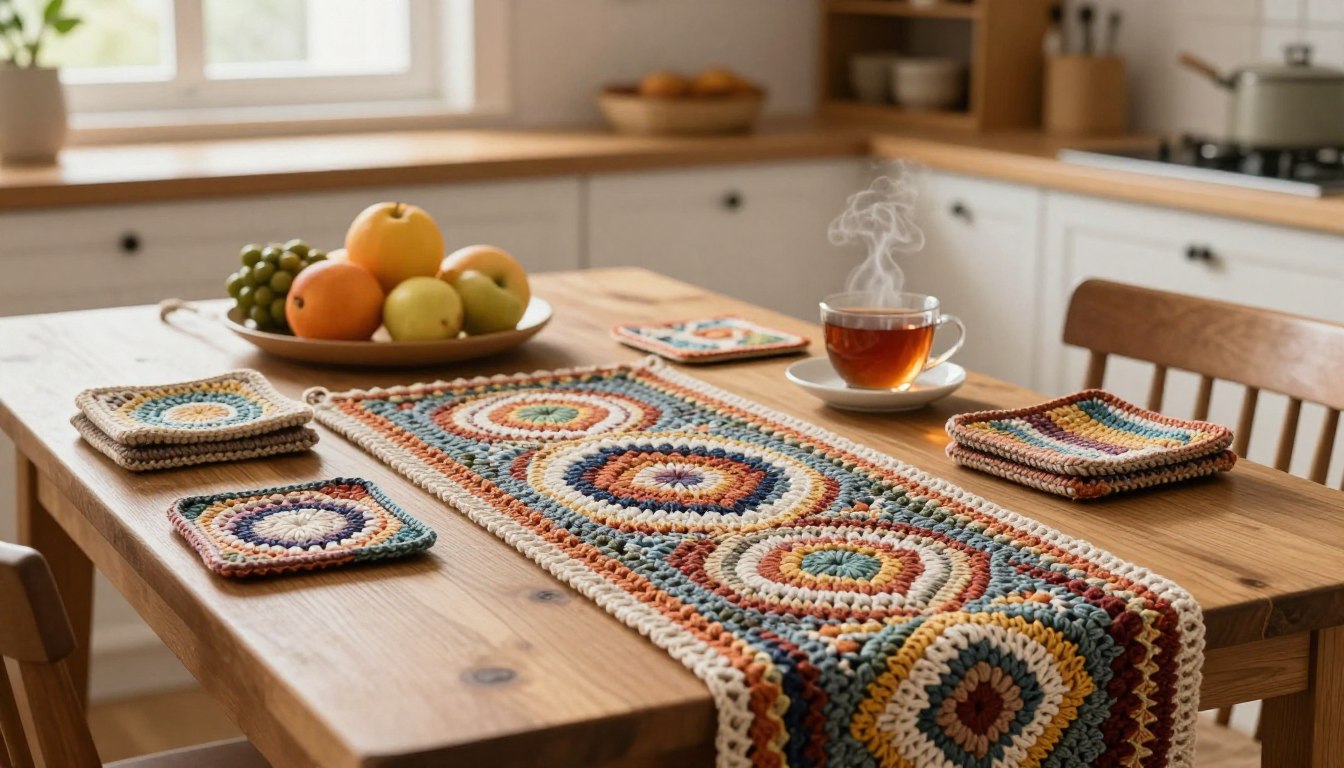
17. Cable stitch
Post stitches crossed over each other create twisting cables. Best for pillows, sweaters, and throws. Mark the cable rows so you do not lose your place.
18. Rib-and-bump stitch
Slip stitch into the back loops for rows that look knitted. Nice for hat bodies and simple cowls. It stretches, so it fits snugly.
Scaled, ruffled, and shell textures
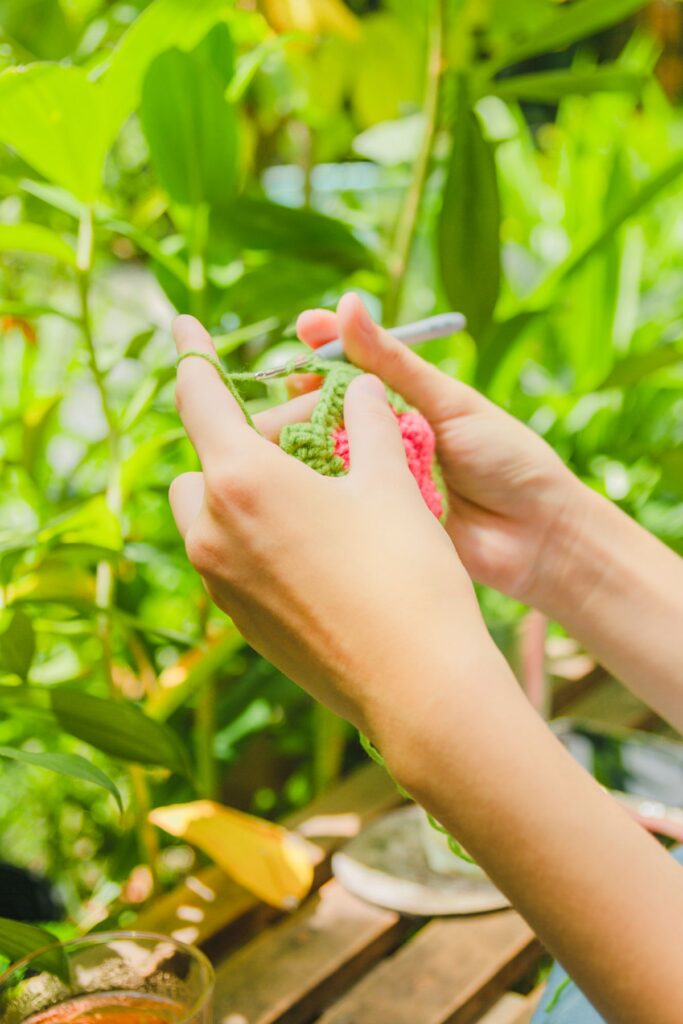
19. Crocodile stitch
Overlapping scales made from post stitches look like a reptile skin. Great for mittens, bags, and statement pieces. Use a bulky, smooth yarn.
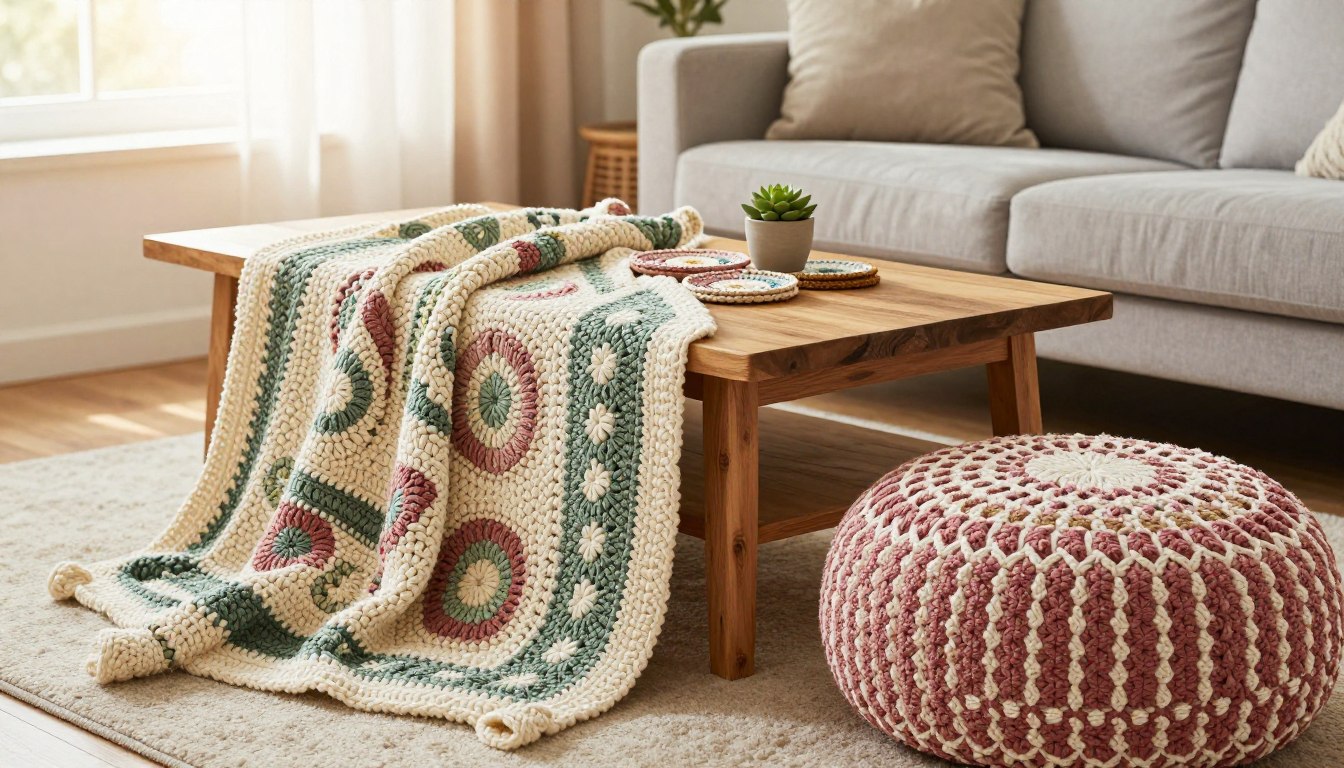
20. Shell stitch
Fans of double crochet in one stitch give a lovely scalloped edge. Perfect for baby blankets and shawls. Skip the same number of stitches between fans.
21. Ripple stitch
Increases and decreases in rows create waves. Beautiful in blankets. Use markers at each peak and valley.
22. Ridge stitch
Working in the back loop makes horizontal ridges. Nice for blankets and cowls. Fast and easy for beginners.
| Common Issue | Primary Cause | Recommended Fix |
|---|---|---|
| Loose Cables | Inconsistent tension | Tighten yarn hold |
| Dropped Stitch | Skipped loop | Use hook to pull up |
| Stiff Fabric | Hook too small | Increase hook size |
| Gaps in Texture | Loose tension | Decrease hook size |
23. Spike stitch
Insert your hook into a row below to stretch a stitch over the ones between. Great for color-changing throws. Pull loops up loosely so the fabric does not pucker.
24. Herringbone stitch
Half double crochet variations with a diagonal twist look like herringbone. Suits scarves and bags. It is dense and warm.
25. Star stitch
Stitches joined at the center make a star shape. Nice for blankets and shawls. Keep loops loose so the star opens.
Frequently asked questions
Which textured stitch is best for a beginner?
Try the ridge, moss, or half double crochet ribbing first. They use basic stitches and still add interest. Once you are comfortable, move on to bobbles and waffle.
Do textured stitches use more yarn?
Yes. Most raised stitches need roughly 15 to 30 percent more yarn than plain fabric, so swatch and buy a little extra.
Which textures work best for blankets versus wearables?
Blankets suit bobbles, waffles, and basketweave for warmth. Wearables do better with ribbing, moss, and linen because they drape and stretch.
Pick one stitch from this list, work a swatch, and see how it feels. Texture is easy to fall in love with, and one small square can change a whole project.