How to Crochet a Cardigan for Beginners: Fit, Stitches & Tips
A crochet cardigan is more doable than it looks. Get the yarn, swatch and fit advice that helps a first garment turn out wearable.
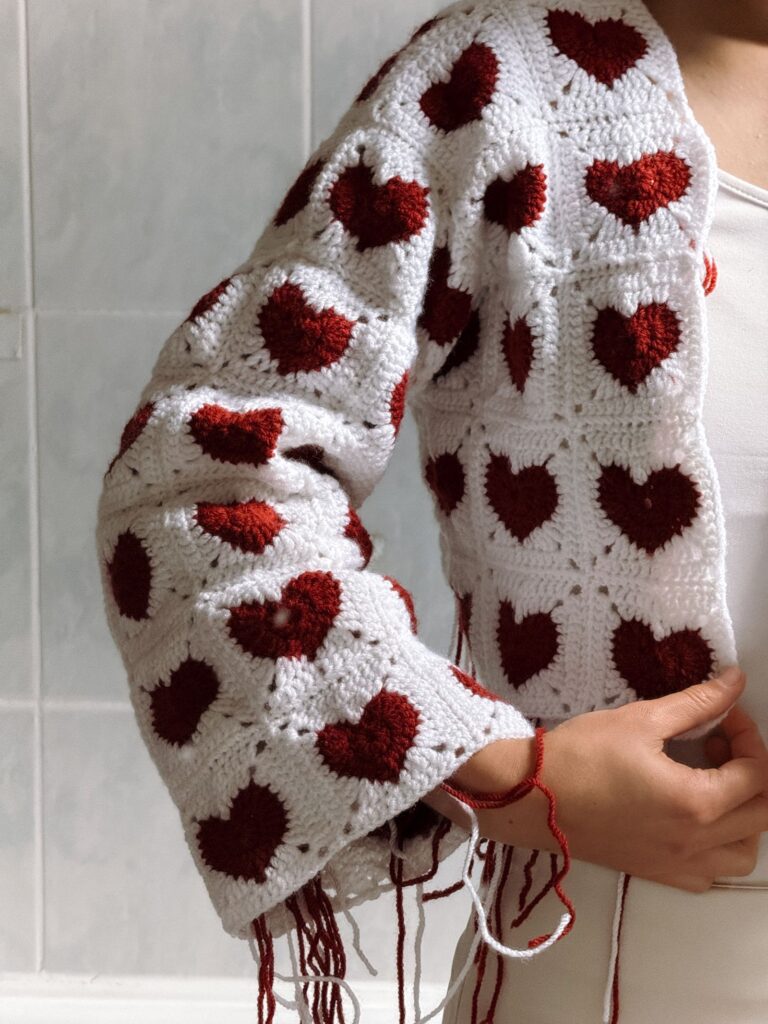
A handmade cardigan sounds like a huge project, and I will not pretend it is a one evening job. But it is a lot more approachable than most beginners think. Many simple cardigans are built from rectangles, joined with a few seams, with basic stitches you already know. The big jump is not skill, it is patience and planning.
Jump to section
My first cardigan was wonky. The sleeves were too long and the body a little boxy, but I wore it constantly, because I made it. The second one fit much better, and I learned what to measure before I even picked up my hook. That is what I want to share here, so you can skip a few of my mistakes.
The video below is from Dexterous Dorothy, who shows how to crochet a cardigan. Their tutorial is below, and I will go through the supplies, the general way these garments are built, and the fit and finishing notes that help a first cardigan turn out wearable.

Choosing yarn and hook
Yarn choice matters more for clothing than for any other project. A cardigan has to drape, feel good on skin, and survive being washed.
- Fiber: cotton blends and soft acrylic are practical for beginners. They are easy to wash and widely available. Wool is warm and lovely but needs more careful care.
- Weight: worsted or DK weight is the easiest to manage. Chunky yarn works up fast but can feel heavy. Fine yarn looks elegant but takes a very long time.
- Hook: go up one size from the label if you want a drapey, soft fabric. A tight fabric makes a stiff garment.
- Amount: buy more than you think you need, and keep the same dye lot. Running out halfway is painful.
Also grab a tape measure, stitch markers, a tapestry needle and plenty of pins for seaming.
Swatch and measure first
I know. Nobody wants to swatch. But a swatch tells you how many stitches and rows make a few inches in your yarn, and that information decides whether your cardigan fits.
- Crochet a square of about 4 by 4 inches in your chosen stitch.
- Measure how many stitches and rows fit into it. Write those numbers down.
- Measure your chest, your shoulder width, and the length you want from shoulder to hem.
- Add a little ease, which is extra room so the cardigan is not snug. A relaxed cardigan usually has a few inches of ease.
- Multiply the stitches per inch by your target width. This tells you how wide to make each panel.
Your swatch is also a test for washing. Wash and dry it the way you will wash the finished cardigan, then measure again. Some yarns shrink or stretch, and it is better to learn that before you make the whole garment.
How a simple cardigan is built
I will describe the general idea in my own words. The video shows a specific approach, so follow that for the exact stitch counts and shaping.
- Make the body panels. Many beginner cardigans start with one wide rectangle for the back and two narrower ones for the fronts, or a single long rectangle folded over.
- Make two sleeve pieces. These are often rectangles that are worked to the length of your arm, sometimes with slight decreases toward the wrist.
- Lay the pieces flat and check the measurements against your plan.
- Seam the shoulders first, then attach the sleeves, then close the sides and underarms.
- Add a border or band along the front opening and the hem to give it a finished edge.
- Weave in all ends and block the garment.
The most forgiving option for a first cardigan is a simple stitch like half double crochet or a basic mesh. They are quick and easy, and small irregularities disappear in the fabric.
Tips for a better fit
- Try it on as you go. Pin the pieces together and hold them against your body before seaming.
- Keep the sleeves a bit shorter. Sleeves often grow when you wear or wash the garment.
- Mark the center back. It helps with symmetry and with placing the shoulders.
- Work the seams loosely. A tight seam pulls the fabric and puckers the shoulder.
- Choose a simple stitch pattern. Pretty textures look wonderful, but they are harder to count and to resize. If you like texture later, see these textured crochet patterns for ideas.
If you are new to joining pieces, practice first on a small motif. Making a granny square and sewing two squares together is good practice for the seams you will need on a garment.
Common mistakes and how to fix them
The cardigan is too small. This usually comes from skipping the swatch or ignoring ease. Add a border or side panels to gain width, or rework one piece in a slightly larger hook.
It feels stiff. Your hook was probably too small for the yarn. Try a bigger hook for the next attempt, and block the garment to relax the stitches.
The shoulders sag. Long, heavy fabric pulls down. Use a lighter yarn, seam the shoulders firmly, and avoid very loose stitches there.
The edges curl. Add a border of single crochet or ribbing around the hem and front opening. It stabilizes the edges.
Smaller projects and variations
If a full cardigan feels like too much, there are smaller ways to practice the same skills. A baby cardigan or a tiny crochet baby outfit uses the same ideas at a smaller scale, so you can test shaping and seams without committing to months of work.
Once you have one cardigan, you can change the length, make it cropped, add pockets, or choose a striped design with leftover yarn. Buttons, a tie at the front or an open drape style all change the look without changing the basic construction.
Finishing and care
Blocking is what turns a pile of crochet pieces into a garment. Soak the finished cardigan in cool water with a gentle wool wash, press out the water in a towel without wringing, and lay it flat to dry, shaping it to your measurements. Do this before you seam if you like, which makes joining easier.
Weave in ends thoroughly, since clothing gets a lot of stretching. Check each seam for weak spots. A dab of care in the finishing saves you from repairs later.
To keep your cardigan looking good, wash it by hand or on a gentle cycle following the yarn label, dry it flat, and store it folded rather than hung. Hanging can stretch shoulders and sleeves over time.
Frequently asked questions
Can a beginner crochet a cardigan?
Yes, if you choose a simple design and a forgiving stitch. Many beginner cardigans are made from rectangles that are sewn together. Swatch first, measure carefully, and take your time.
What yarn is best for a first cardigan?
A soft cotton blend or a washable acrylic in worsted or DK weight is a good choice. It is easy to care for, widely available and comfortable to wear.
Why does my crochet cardigan feel stiff?
The hook may be too small for the yarn, or the stitches are very tight. Try a larger hook, choose a drapey stitch, and block the finished piece to relax the fabric.